Water Softener Plant in Pakistan

The Essential Guide to Water Softener Plants: Softening Water for a Better Tomorrow

Water Softener Plant in Pakistan

Hard water is a common issue in many regions of Pakistan, causing scale buildup in appliances, poor soap lathering, and even skin irritations. To combat these problems, businesses and households are turning to water softener plants. In this blog, we will explore the benefits of water softener plants, how they work, and why they are crucial for improving water quality in Pakistan.

What is a Water Softener Plant?

A water softener plant is a specialized system designed to remove minerals such as calcium and magnesium that cause water hardness. These plants utilize various methods, including ion exchange, to convert hard water into soft water, making it safer and more efficient for domestic and industrial use.

Benefits of Water Softener Plants

  1. Extended Appliance Life
    Hard water can lead to scale buildup in pipes and appliances, reducing their efficiency and lifespan. Installing a water softener plant helps prevent this damage, ensuring your appliances run smoothly for longer.
  2. Improved Soap Efficiency
    Soft water enhances the effectiveness of soaps and detergents, allowing them to lather better and clean more effectively. This results in lower consumption of cleaning products, ultimately saving money.
  3. Healthier Skin and Hair
    Many people experience skin irritations and dryness due to hard water. Soft water can lead to softer skin and hair, making a noticeable difference in daily hygiene routines.
  4. Better Tasting Water
    By removing unwanted minerals and impurities, water softener plants can improve the taste of drinking water, making it more enjoyable for your family or customers.

How Water Softener Plants Work

Water softening typically involves an ion exchange process where hard minerals are replaced with sodium ions. Here’s a brief overview of how it works:

  1. Pre-Filtration: Incoming water is pre-filtered to remove larger particles and debris.
  2. Ion Exchange: The water passes through a resin bed, where calcium and magnesium ions are exchanged for sodium ions.
  3. Regeneration: Periodically, the system regenerates the resin bed using a salt solution, restoring its effectiveness.

Common Applications of Water Softener Plants in Pakistan

  • Residential Use: Many households are now installing water softener systems to improve their quality of life and protect their plumbing systems.
  • Industrial Applications: Factories, hotels, and commercial establishments use water softeners to ensure efficient operations and maintain equipment.
  • Agriculture: Softened water can enhance irrigation efficiency and soil quality, leading to better crop yields.

Frequently Searched Keywords Related to Water Softener Plants in Pakistan

To enhance your understanding and help you with your search, here are some commonly searched keywords related to water softener plants in Pakistan:

  • Water softener plant
  • Industrial water softener
  • Residential water softener
  • Best water softener in Pakistan
  • Water softener suppliers
  • Water softening systems for home
  • Water softener price in Pakistan
  • Automatic water softener plant
  • Water treatment solutions
  • Hard water treatment plants

Conclusion

Investing in a water softener plant is a smart decision for both households and businesses looking to improve water quality. With the numerous benefits of softened water—from prolonging the lifespan of appliances to enhancing personal care routines—it’s clear that water softening is an essential solution in Pakistan.

At Eurotech, we offer a range of high-quality water softener plants tailored to meet the unique needs of our clients. Ready to soften your water and improve your quality of life? Contact us today to learn more about our water softening solutions!

water softner plant

Water Softner Whole-House Water Filtration Plant ? How Water Softner Works ?

water softner plant

A whole house water softener plant is an essential system designed to treat all the water entering a home, ensuring that it is free from hard minerals like calcium and magnesium. Hard water can lead to various issues, including scale buildup in pipes and appliances, reduced soap efficiency, and dry skin and hair. By installing a residential water softener, homeowners can significantly improve their water quality and overall comfort.

These systems work by utilizing a process called ion exchange, where hard minerals are replaced with sodium ions, resulting in softer water throughout the house. A whole house water filtration plant typically combines water softening capabilities with additional filtration processes, removing contaminants such as chlorine, sediment, and other impurities that can affect water quality.

The benefits of a whole house water softener extend beyond just improved water taste and quality; they can lead to lower energy bills by enhancing the efficiency of water heaters and reducing wear on plumbing fixtures and appliances. Moreover, softened water can make cleaning easier, as it prevents soap scum and mineral deposits from forming on surfaces.

For homeowners looking to invest in a whole house water filtration plant, it is crucial to choose a reliable system that meets specific household needs. Factors to consider include water hardness levels, the size of the household, and any additional filtration requirements. By opting for a high-quality residential water softener, families can enjoy the long-term advantages of softer, cleaner water, ultimately enhancing their quality of life.

A water softening plant operates using a process known as ion exchange to remove hard minerals, primarily calcium and magnesium, from water. Here’s a detailed explanation of how this process works:

1. Understanding Hard Water

Hard water contains high levels of dissolved minerals, particularly calcium and magnesium. These minerals can cause scale buildup in pipes and appliances, reduce soap effectiveness, and lead to skin and hair issues.

2. Components of a Water Softening Plant

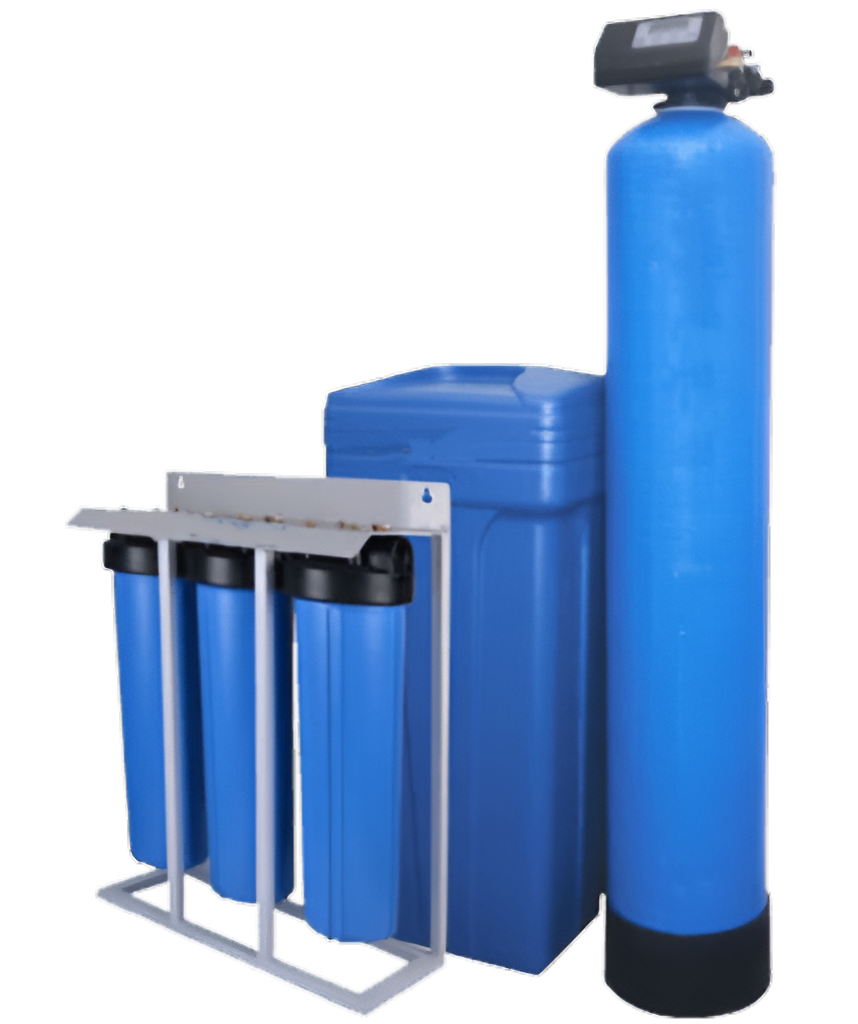
A typical water softening system includes:

  • Pre-filter: Removes larger particles and sediment before water enters the softener.
  • Softener tank: Contains resin beads that facilitate the ion exchange process.
  • Brine tank: Holds a salt solution used for regenerating the resin beads.
  • Control valve: Regulates the flow of water and controls the regeneration cycle.

3. Ion Exchange Process

  • Initial Softening: As hard water flows into the softener tank, it passes over resin beads that are coated with sodium ions. The resin beads attract and hold onto the calcium and magnesium ions from the water while releasing sodium ions into the water. This exchange process effectively softens the water.

4. Regeneration Cycle

  • Brine Solution Preparation: Periodically, the system enters a regeneration phase to recharge the resin beads. The brine tank provides a concentrated salt solution.
  • Flushing the Resin: During regeneration, the brine solution flows through the softener tank. The high concentration of sodium ions in the brine displaces the calcium and magnesium ions on the resin beads, restoring them to their sodium form.
  • Rinsing: After the ion exchange, the system flushes out the excess brine solution, carrying away the displaced hard minerals, and prepares the system for the next cycle.

5. Post-Softening

Once the water has passed through the softener, it is now free of hard minerals and can be distributed throughout the home for various uses, including drinking, cooking, and bathing. Softened water improves the efficiency of soap and detergents, enhances the lifespan of plumbing fixtures, and prevents scale buildup in appliances.

6. Monitoring and Maintenance

Regular maintenance is essential to ensure the effective operation of a water softening plant. This includes checking salt levels in the brine tank, cleaning or replacing filters, and monitoring the performance of the system to ensure it meets household needs.

Conclusion

A water softening plant effectively transforms hard water into soft water through the ion exchange process, enhancing the quality of water in residential and commercial settings. By reducing hardness, these systems improve appliance efficiency, prolong the lifespan of plumbing systems, and contribute to overall comfort in daily water usage.